Peter Molyneux is a name that once stood for innovation in gaming. From Populous to Black & White to Fable, his vision seemed limitless. But behind the charisma and bold claims lies a trail of disillusioned backers, burnt investors, and developers who paid the price for believing too much. His later projects—especially Godus and the collapse of Lionhead Studios—weren’t just commercial failures. They were personal and financial disasters for those who staked their resources on his word.
This isn’t just about a game that underdelivered. It’s about the real people who lost money, time, and trust because of promises that never materialized.
The Rise and Fall of a Visionary
Peter Molyneux didn’t start as a cautionary tale. In the 1990s and early 2000s, he was gaming royalty. Populous redefined god games. Dungeon Keeper twisted strategy with dark humor. Fable brought moral choice to mainstream audiences. His name alone carried weight—so much so that when he left Microsoft and Lionhead Studios in 2012, the gaming world watched closely.
But it was his next move that would redefine his legacy—Godus, a spiritual successor to Populous, launched via Kickstarter in 2012. It raised over $876,000 from nearly 17,000 backers. At the time, it looked like a triumph of crowdfunding. In hindsight, it was the beginning of a costly betrayal.
The Kickstarter Backers Who Funded a Fantasy
The people who backed Godus weren’t venture capitalists. Most were everyday gamers—passionate, hopeful, and willing to support a creator they admired. They pledged money for rewards: digital copies, exclusive in-game items, even the chance to name continents.
What they got instead was a stripped-down, barely functional game released years late. The promised “evolving world,” where players shaped not just landscapes but civilizations, never materialized. By 2017, the official forums were a graveyard of unanswered complaints.
One backer, a software developer from Manchester, pledged £100 for a digital copy and a mention in the credits. Five years later, he received a bare-bones version with no multiplayer, no AI civilizations, and no updates. “It felt like paying for a house and getting a garden shed,” he said in a Reddit thread.
Another, a teacher from Vancouver, backed the project for her students. She believed Godus could be used in classrooms to teach systems thinking and resource management. When the game failed to deliver on even basic mechanics, she canceled her planned curriculum. “It wasn’t just money,” she said. “It was time we can’t get back.”
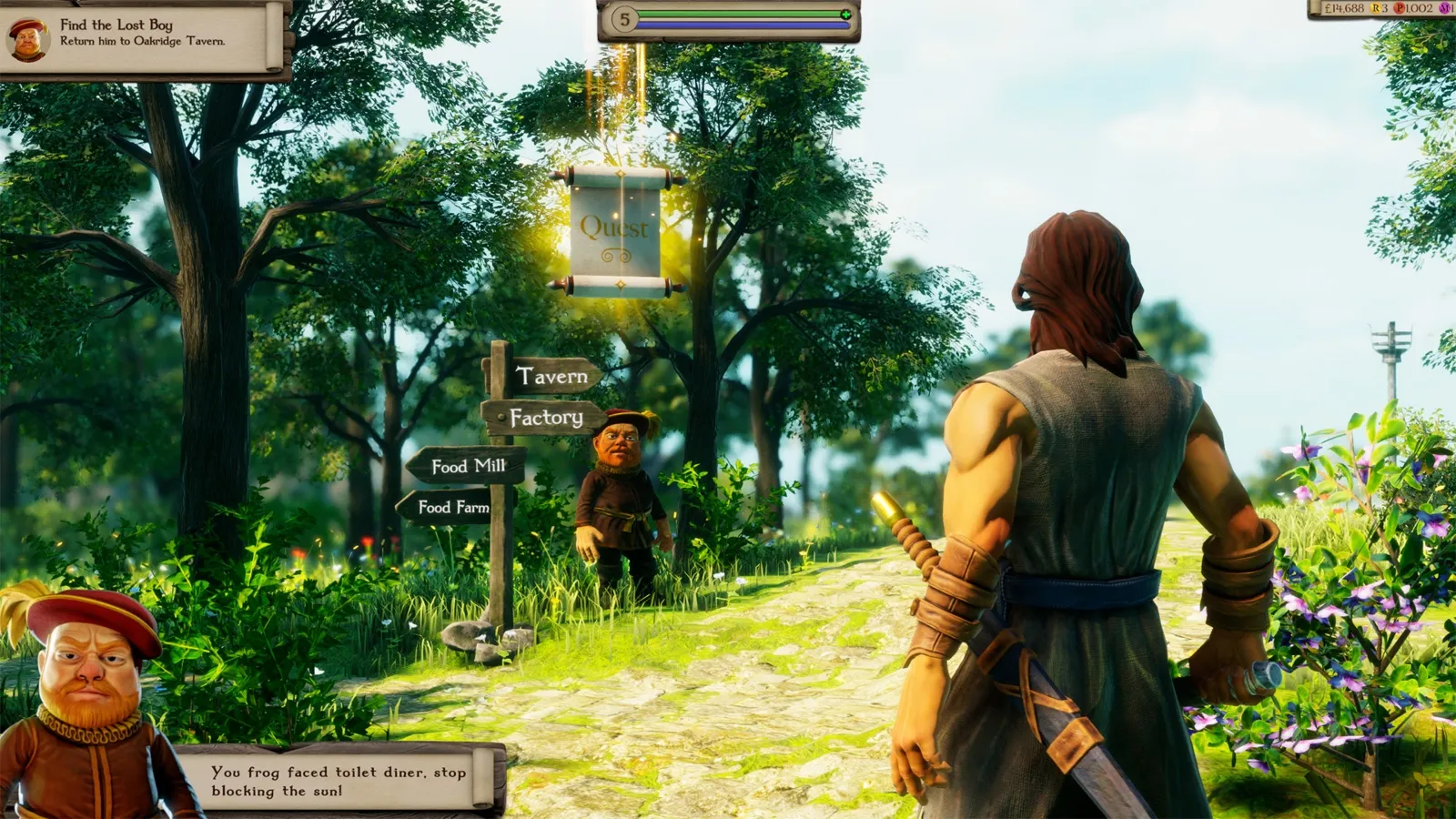
Crowdfunding is supposed to democratize game development. But in cases like Godus, it exposed a dangerous power imbalance: passionate fans funding a vision held together by hype, not accountability.
The Investors Who Bet on a Brand
Beyond Kickstarter, private investors poured real capital into Molyneux’s post-Lionhead ventures. 22cans, the studio behind Godus and later Legacy, attracted significant funding based almost entirely on Molyneux’s reputation.
One investor, a London-based tech angel who requested anonymity, put in six figures into 22cans in 2014. “We weren’t investing in a prototype,” he said. “We were investing in Peter. His track record, his connections, his ability to sell a dream.” But as development dragged on and milestones were missed, confidence eroded. “The game didn’t scale. The team was small, overworked. And Peter kept changing direction.”
Legacy, announced as a “persistent world life simulator,” was supposed to be the comeback. But by 2021, it had quietly disappeared. No official shutdown notice, just radio silence. The investor eventually wrote off the investment. “In tech, failure is expected. But this wasn’t a pivot or a shutdown—it was a slow, unacknowledged collapse. That’s harder to stomach.”
Venture capital thrives on risk—but it assumes a baseline of execution. When the founder’s reputation becomes the product, and the product never arrives, the risk skyrockets.
The Developers Who Lost Their Careers
While backers and investors lost money, the studio developers lost something more personal: their livelihoods and professional reputations.
At 22cans, the team was small—never more than 15 people. Many had left stable jobs at established studios to work on what they thought was a revolutionary project. Instead, they faced constant scope changes, public scrutiny, and the stress of delivering a game that kept shifting in design.
One former 22cans developer, who worked on Godus’s AI systems, said the project was “doomed from the start.” “We were trying to build machine learning-driven civilizations with a team of eight and a fraction of the budget Fable had,” he said. “Peter would demo features that didn’t exist, promise them to backers, and then expect us to figure it out. That kind of pressure breaks teams.”
When Legacy was canceled, layoffs followed. Some developers struggled to find new roles—recruiters questioned their judgment for joining such a high-profile failure. Others left the industry entirely. “The gaming world remembers failures,” one said. “Especially when they’re this public.”
The Mobile Gamers Who Paid Twice
Godus didn’t just disappoint on PC. It was also released as Godus Wars on mobile—a free-to-play version loaded with microtransactions. Here, a different group of players got burned: casual gamers who downloaded the app, enjoyed it briefly, then watched it vanish.
Unlike Kickstarter backers, these users never pledged money upfront. But they played daily, invested time, and eventually spent real cash on in-game currency. When 22cans shut down the servers in 2020, all progress and purchases were erased.
One iOS player from Australia spent over $200 on in-game boosts over 18 months. “It wasn’t rich people losing millions,” he said. “It was regular people, ten dollars at a time, thinking they were just supporting a game they liked.” When the servers went dark, Apple refused refunds. “You agreed to the terms,” customer support told him.
Free-to-play models rely on retention and monetization—but when the game dies, the players lose everything. And unlike physical products, digital purchases offer no recourse.
Why Molyneux’s Legacy Still Matters
The story of Peter Molyneux isn’t just about one man’s overpromising. It’s a case study in how charisma, legacy, and hype can override due diligence in gaming.
- For backers, it’s a warning: even beloved creators can fail—and crowdfunding isn’t charity, it’s risk.
- For investors, it’s a lesson in separating brand from substance.
- For developers, it’s a reminder that working under visionary pressure without technical feasibility leads to burnout.
- For players, it shows that digital ownership is fragile, especially in live-service models.
Molyneux’s later work never recaptured the magic of his early hits. But the damage wasn’t just artistic—it was financial and emotional for those who believed.
Can Trust Be Rebuilt in Game Crowdfunding?
After Godus, Kickstarter became more cautious. Platforms introduced stricter guidelines, and backers now demand prototypes, clear roadmaps, and regular updates. The era of “trusting the creator” has largely ended.
But the damage lingers. High-profile failures like Godus, Yatagarasu, and The Skynet Project have made gamers skeptical. Some now avoid narrative-driven crowdfunding entirely, opting instead for games with playable demos or transparent dev logs.
For future creators, the message is clear: overpromise once, and you might get a second chance. Overpromise repeatedly, and you’ll lose your audience—and your backers’ money.
The Human Cost Behind the Headlines
When we talk about failed games, we often focus on sales numbers or review scores. But behind every flop like Godus or Legacy are real people:
- The fan who maxed out a credit card to support a dream.
- The investor who lost retirement funds.
- The developer who can’t explain a two-year gap on their CV.
- The mobile player who spent lunch money on a game that no longer exists.
Peter Molyneux may have moved on. But for many, the cost of believing in his vision is still being paid.
Trust in gaming isn’t just earned through gameplay—it’s earned through delivery. And when that delivery fails, the people who lose aren’t just stats. They’re the players who lost big on a legacy that never arrived.
FAQ
Who funded Peter Molyneux’s 22cans? 22cans was funded through a combination of private investment and a Kickstarter campaign for Godus, which raised over $876,000 from nearly 17,000 backers.
What happened to the game Legacy? Legacy, a life simulator announced in 2015, was quietly canceled. Development stalled, and the game was never officially released.
Did backers receive refunds for Godus? No. Kickstarter operates on an all-or-nothing model, but once funds are delivered, there’s no mechanism for refunds—even if the final product falls short.
Why did Godus fail? Godus failed due to overambitious design, scope creep, lack of resources, and unmet promises. The final product bore little resemblance to the original pitch.
Is Peter Molyneux still making games? As of 2024, Molyneux is not actively leading a public game development project. His last major release was Godus Wars in 2016.
How did Lionhead Studios close? Lionhead Studios was shut down by Microsoft in 2016 after the commercial failure of Fable Legends, which was canceled before launch.
What’s the lesson from Molyneux’s later career? Even respected creators must deliver on promises. Hype without execution erodes trust—and when backers, investors, and developers pay the price, the fallout is real.
FAQ
What should you look for in The Players Burned by Peter Molyneux’s Broken Promises? Focus on relevance, practical value, and how well the solution matches real user intent.
Is The Players Burned by Peter Molyneux’s Broken Promises suitable for beginners? That depends on the workflow, but a clear step-by-step approach usually makes it easier to start.
How do you compare options around The Players Burned by Peter Molyneux’s Broken Promises? Compare features, trust signals, limitations, pricing, and ease of implementation.
What mistakes should you avoid? Avoid generic choices, weak validation, and decisions based only on marketing claims.
What is the next best step? Shortlist the most relevant options, validate them quickly, and refine from real-world results.